Transform Your Brand: How Professional Photography Drives Business Success
In today's competitive market, the value of professional photography cannot be ignored. Businesses that commit to high-quality imagery tend to experience stronger brand recognition and increased consumer trust. The art of visual storytelling is essential in building meaningful relationships with audiences. That said, not every image fulfills the same objective. Learning how to identify the right photographer and apply visuals purposefully can yield remarkable results. What methods can businesses use to enhance the effectiveness of their visual content?
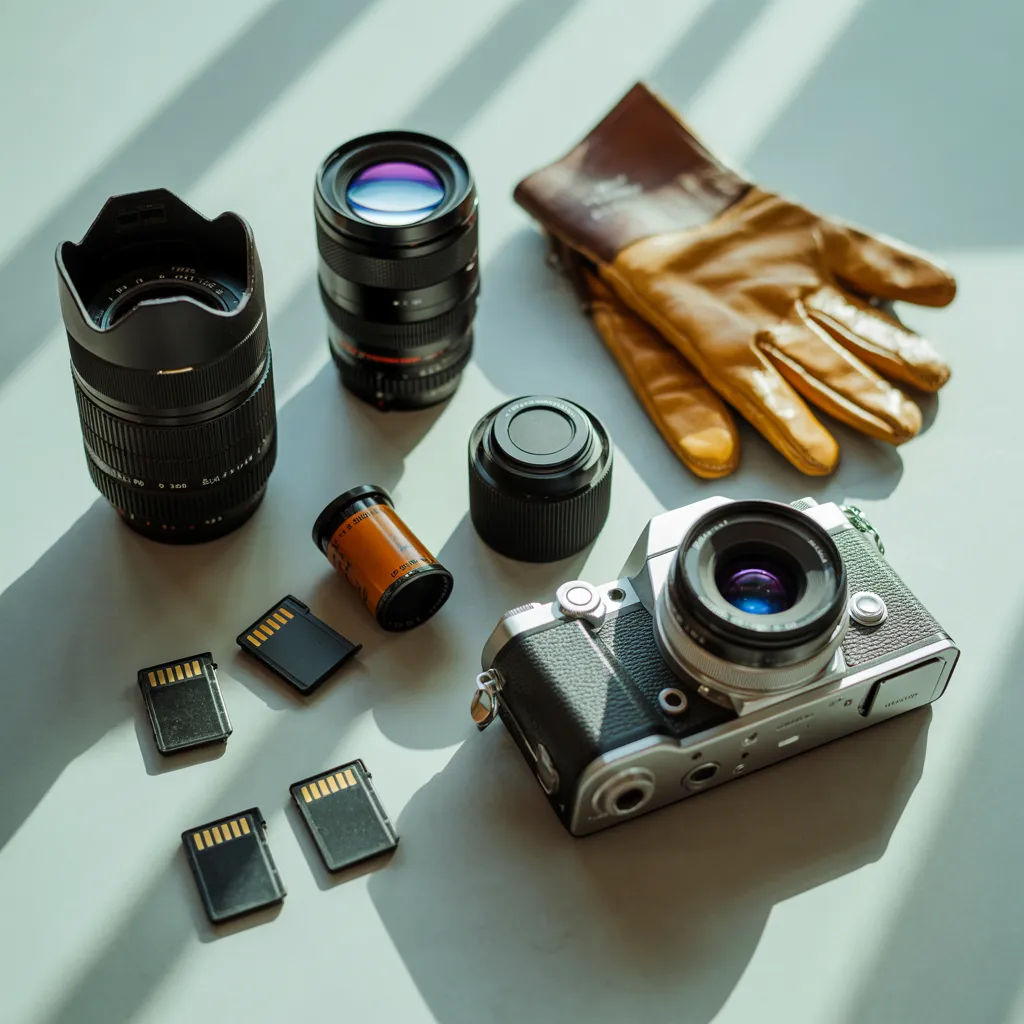
The Importance of Professional Photography You Need to Know
Why is professional photography essential for businesses? This can be understood through the significance of first impressions. High-quality images can greatly enhance a brand's image, demonstrating expertise and a commitment to quality. In today's image-focused commercial environment, new customers commonly form opinions about a brand from its imagery. High-end photography highlights products and services at their finest, attracting and retaining customer interest.
Furthermore, consistent and polished visuals contribute to establishing brand awareness and recognition. Authenticity is vital; images taken by professionals can develop an engaging narrative that speaks to target audiences. Such an investment may result in higher levels of engagement across diverse digital channels, from social media to websites.
Ultimately, companies that prioritize professional photography emerge as frontrunners in their field, cultivating credibility and trust. During a time when visual content reigns supreme, the need for professional images is not just advantageous—it's critical for sustained success.
The Importance of Visual Storytelling in Brand Engagement
In today's competitive landscape, visual storytelling has emerged as a powerful tool for audience engagement. By crafting stories through visuals, brands can create emotional connections with their audiences, making their messages more relatable and memorable. This methodology surpasses standard promotional techniques, allowing companies to communicate their values, mission, and personality through compelling visuals.
Powerful visual communication captures attention and fosters deeper interactions, encouraging consumers to invest in the brand. It empowers organizations to display their products and services meaningfully, illustrating how they enhance everyday life. Via strategically chosen images, brands can highlight their unique selling propositions and differentiate themselves from competitors.
In addition, storytelling through visuals boosts digital presence, as distributable content boosts exposure and stimulates audience engagement. By utilizing compelling imagery that appeals to key demographics, organizations can develop loyalty and stimulate engagement, thereby supporting sustained business growth.
How High-Quality Images Build Consumer Trust
Premium-quality visuals act as a foundation for cultivating consumer trust in today's online marketplace. They offer a pictorial depiction of a brand's character, expressing credibility and meticulous care. When consumers come across clear, professionally composed visuals, they are inclined to perceive the brand as credible and reliable. This impression is critical, especially in an environment overwhelmed by competition and misinformation.
In addition, high-quality images enhance the overall user experience, transforming websites and social media channels into more compelling destinations. They help potential clients envision products or services, building a sense of familiarity and trust. As consumers increasingly rely on visual cues to inform their purchasing decisions, businesses that prioritize professional photography differentiate themselves from rivals.
In the end, the impact of superior quality images transcends simple visual elements; they foster a firm foundation for trust, nurturing customer loyalty and fueling business success.
Tips for Choosing the Ideal Photographer
Picking the right photographer is essential for connecting visual content with a company's identity. It requires carefully defining the business vision, reviewing the quality of the photographer's previous work, and exploring budget options. By focusing on these key factors, businesses can form informed decisions that enhance their visual identity.
Define Your Brand Vision
A precise brand identity functions as the cornerstone for choosing the right photographer. Businesses must first define their goals, values, and target audience, as this insight shapes the photographic style needed to effectively communicate their vision. Understanding whether the company gravitates toward a sleek, modern look or a vibrant, dynamic approach is critical. Additionally, defining specific goals—such as enhancing online presence or creating impactful marketing materials—will influence the decision on a photographer whose capabilities matches these goals. By identifying the desired emotional response from the audience, businesses can confirm they choose a photographer who can capture the essence of their brand. This deliberate coordination ultimately enhances the overall effectiveness of the brand imagery.
Review Portfolio Quality
When evaluating photographers, the quality of their portfolio serves as a vital indicator of their capabilities. A well-rounded portfolio showcases a breadth of styles and subjects, allowing prospective clients to assess the photographer's adaptability and technical proficiency. It is critical to look for consistency in image quality, composition, and lighting, as these elements reflect the photographer's commitment to detail. get the full story Additionally, reviewing past work relevant to the specific industry can offer insight into how well the photographer understands branding and marketing needs. Testimonials or case studies accompanying the portfolio may additionally strengthen credibility. At the end of the day, a thoughtfully curated portfolio not only reflects artistic vision but also highlights the photographer's ability to produce results that align with a business's objectives.
Think About Budget Considerations
Reviewing the quality of a portfolio sets the foundation for choosing the ideal photographer, but budget considerations are equally important in the evaluation process. Businesses must establish a precise budget that corresponds to their marketing goals. This budget should include not only the photographer's rates but also other potential costs, such as licensing, travel, and editing costs. Evaluating several photographers allows businesses to find a balance between quality and affordability. It is crucial to communicate needs and expectations upfront to avoid unexpected expenses. Additionally, some photographers might present package deals or discounts for bigger assignments, creating more opportunities for financially mindful organizations. Ultimately, thoughtful fiscal planning can result in a successful collaboration that enhances brand image without overspending.
Leveraging Images Successfully Across Platforms
Utilizing the strength of images can considerably improve a business's standing across multiple platforms. Effective image use requires an understanding of the unique characteristics of each platform. For example, bold, attention-grabbing visuals work well on social media, driving user interaction and distribution. In contrast, polished, refined images are crucial for websites and e-commerce platforms, where they foster trust and credibility.
Additionally, a consistent visual style—image quality, color schemes, and fonts—bolsters brand identity. Adapting images for specific formats, such as square for Instagram and landscape for Facebook, guarantees ideal display and viewer experience. Additionally, including images within email marketing has the potential to considerably enhance open and click-through rates.
Case Studies: Key Takeaways From Top Brands
Established brands highlight the significant difference of professional visual content on business results. As a case in point, a well-known cosmetics company overhauled its marketing approach by leveraging high-resolution images that showcased its products in authentic environments. This transformation led to a 30% increase in e-commerce sales over a six-month period, demonstrating the strength of attractive visual material.
Likewise, a upscale hotel group employed expert photography to showcase its exclusive amenities and breathtaking views. The remarkable visuals not only improved their website but also increased social media interactions, leading to a 50% growth in reservations booked directly.
A further illustration involves a clothing brand that invested in a consistent visual presence through high-quality photo productions. This initiative not only enhanced its brand perception but also fostered a loyal customer base, demonstrated by a 40% growth in returning customers. These real-world instances demonstrate how strategic use of expert photo production can considerably improve brand image and generate measurable results.
Frequently Asked Questions
What Should I Expect to Pay for Professional Photography Services?
Budgeting for professional photography services usually spans from $500 to $5,000, influenced by elements including project complexity, the photographer's experience level, and usage rights. Companies should evaluate their requirements to establish a suitable budget within this range.
Can I Use Stock Photos Instead of Hiring a Professional?
Using stock photos can be a cost-effective alternative to hiring a professional, but they may fall short on originality and individuality. Organizations need to evaluate the benefits of originality against financial limitations when selecting visual content.
How Often Should I Update My Brand Images?
Brands need to renew their imagery every one to two years to keep pace with evolving trends and preserve their relevance. Regular refreshes allow the visual presence fresh, captivating viewers and building lasting brand loyalty through consistent, high-quality imagery.
What Types of Photography Are Best for My Industry?
Lifestyle, product, and event photography are vital across most industries. Organizations should concentrate on high-quality images that connect with their core audience, presenting genuine quality and professionalism to improve brand recognition and audience engagement meaningfully.
How Can I Track the Influence of Photography on My Brand?
To assess visual photography's effect on a business, businesses can study engagement metrics, track conversion rates, gather audience feedback, and measure brand recognition via surveys, ultimately evaluating how imagery affects overall company performance.